At some point in almost every color consultation in Locust, the stylist asks a question that sounds like small talk: have you ever colored this yourself? It is not small talk, and it is not judgment. It is chemistry. What is already in your hair decides what any new color can safely do, and box dye changes that math in ways that are invisible until the new product is already processing.
The seasons turn this into a practical problem. People reach for box dye at predictable moments: before a holiday, after a summer of fading, during a busy stretch when a salon visit would not fit. Each of those layers stays in the hair, and the stylist who knows about them can plan around them. The stylist who does not know is guessing with your hair as the test surface.
What is actually in the hair
Hair holds a record of everything applied to it until that hair grows out or is cut off. A single box dye from last spring is still sitting in the mid-lengths and ends today. Several applications layer over each other, and because people apply home color most heavily where they see gray or fading, the buildup is uneven: darker and more saturated at some points, barely touched at others.
Some home products, particularly certain dark shades and products marketed as gradual color restorers, contain metallic salts. Those compounds sit in the hair and can react violently with salon lightener and some professional color, generating heat and causing serious breakage. That reaction is the scenario behind the honest-history question, and it is why a stylist may insist on a strand test when the history is unclear.
Why lifts come out unpredictable
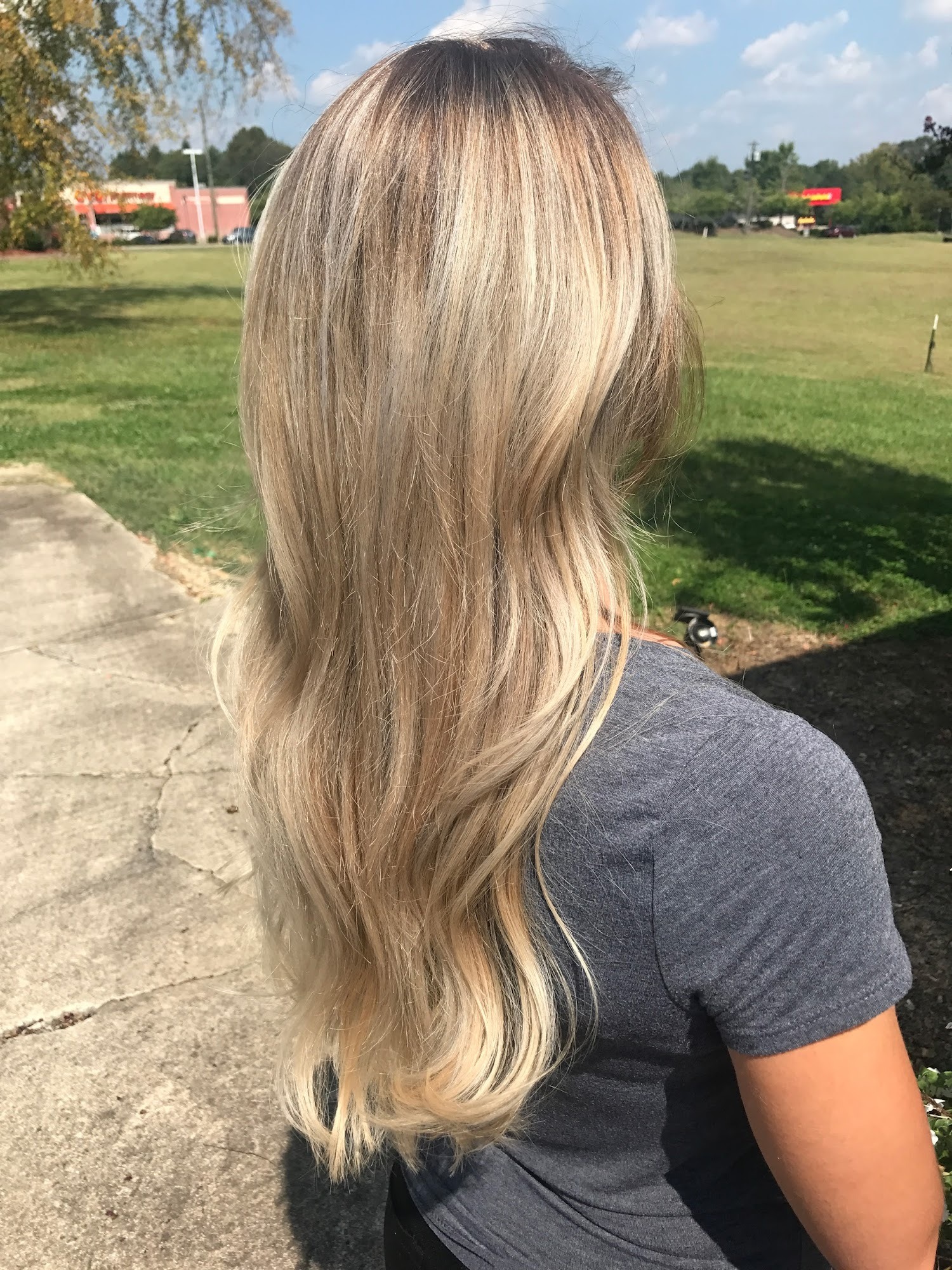
Salon color cannot lift artificial color evenly the way it lifts natural pigment. Put lightener over layered box dye and each layer responds at its own rate: virgin roots lift quickly, the first dye layer resists, the saturated ends barely move. The predictable results are the ones nobody wants: hot roots, a dark band in the middle, and ends that stay stubbornly deep. Stylists call the underlying rule simple: color does not lift color. Removing or working through artificial pigment is a separate, slower process than coloring natural hair.
None of this means box dye ruins hair forever. It means the path from boxed color to a lighter salon result is usually staged, tested, and slower than the path from natural hair, and anyone who promises otherwise in one visit has not seen your strand test results yet.
A seasonal honesty checklist
What to tell your stylist, by season of the deed
- Spring: mention any box dye used before spring events, even if it was labeled temporary or demi-permanent
- Summer: disclose swim-season fixes and any color used to cover fading or greenish pool tones
- Fall: report the at-home darkening done for fall, especially repeated applications over the same lengths
- Winter: mention holiday touch-ups, glosses, and color-depositing products used between salon visits
- Any season: name henna, gradual color restorers, or metallic-salt products specifically, by product if you remember it
- Any season: say how many times the lengths have been colored, not just the roots, since layering is what changes the plan
How a stylist works with an honest history
With the full record, the plan gets concrete. A strand test shows exactly how your layered hair lifts and how strong it stays. The stylist can choose a staged lightening plan, use a color remover first where that is the right tool, or steer the target shade toward something achievable now with a path to lighter later. Each of those options is better than a surprise mid-appointment.
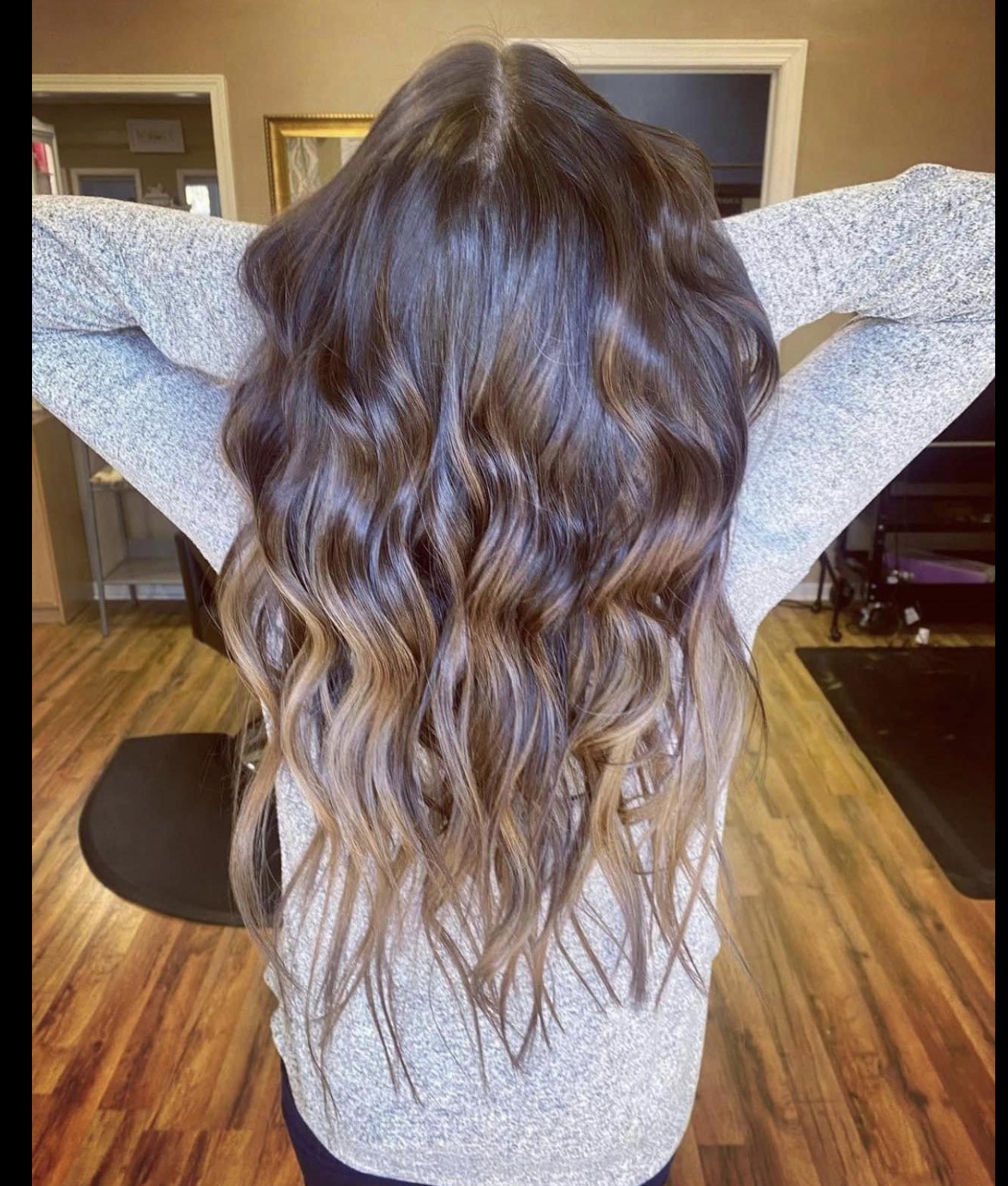
At One-13 Salon, the history question protects the result you are paying for. Answer it like a medical history: completely, without embarrassment, including the box from two summers ago that you have mostly forgotten. Your hair has not forgotten it.
Common questions
I used box dye once, a long time ago. Does it still matter?
If that hair is still on your head, yes. Dye stays in the lengths until they are cut off, so a stylist planning to lighten needs to know it is there and roughly where it sits.
Will I be judged or charged a penalty for using box dye?
No. The question is diagnostic, not moral. An honest history may change the plan or add a strand test, but it prevents the far worse outcome of an unpredictable result mid-service.
Can salon color just go over box dye?
Going darker or similar in depth usually can, with care. Going lighter is where layered box dye resists, because color does not lift color evenly, and that path usually needs removal or staged sessions.
← All guides from One-13 Salon← Back to One-13 Salon