Everyone in Locust seems to hold a strong opinion about hair washing, and everyone's opinion happens to match their own hair. The daily washers think the twice-a-week crowd is unwashed. The twice-a-week crowd thinks the daily washers are destroying their ends. Both are right about their own heads and wrong as a general rule, which is exactly why the claims deserve sorting.
Underneath the debate are a few stable facts. Scalps produce oil at a genetically set rate. Texture decides how quickly that oil becomes visible. Activity, weather, and products shift the answer from week to week. With those facts in hand, the myths mostly sort themselves.
The claims, sorted
| Claim | Verdict | The fuller story |
|---|---|---|
| Washing less will train your scalp to be less oily | False | Oil glands respond to hormones, not to your shampoo schedule. Stretching washes changes how oily hair looks and feels day to day, not how much oil is produced. |
| Everyone should wash every day | False | Daily washing suits fine, straight, oil-prone hair. On dry or tightly curled hair it often strips moisture the lengths cannot spare, leaving ends brittle. |
| Everyone should wash as rarely as possible | False | Scalps are skin. Long gaps between washes let oil, sweat, dead skin, and product accumulate, which leads to itching, flaking, and odor for many people. |
| A double shampoo in one shower is pointless | It depends | After heavy buildup, dry shampoo days, or several days between washes, the first pass loosens and the second cleans. On a light, daily routine, one thorough wash is enough. |
| If your hair feels greasy, your shampoo is wrong | It depends | Sometimes, but greasiness at day two is often just your interval being one day too long, or conditioner applied too close to the scalp where it does not belong. |
| Colored hair should be washed in cold water only | It depends | Cooler water genuinely helps color last, since heat swells the strand and releases pigment. Lukewarm achieves most of the benefit without the miserable shower. |
Reading your own scalp instead of the internet
The practical test takes one wash cycle. After washing, check your roots each morning. Note the day they look flat and feel oily, and the day the scalp starts to itch or flake if it does. Your interval is roughly the day before the scalp complains. Fine, straight hair often lands at one to two days. Wavy and medium hair commonly lands at two to three. Curly and coily hair frequently stretches to three days or beyond, because the oil that would fix dry lengths travels so slowly down the strand.
Then adjust for real life in Locust. Summer sweat, workouts, hats and helmets, and outdoor work all pull the interval shorter. A slow winter week pushes it longer. Anyone with a head spa, scalp treatment, or fresh color in the picture should ask how those services change the rhythm, since scalp treatments in particular work best on a schedule matched to the treatment plan.
Technique counts as much as frequency
A lot of frequency arguments are really technique arguments. Shampoo belongs on the scalp, worked with fingertips across the whole head, not piled onto the lengths. Conditioner belongs on the mid-lengths and ends, kept off the scalp. Rinse longer than feels necessary, because leftover product mimics greasiness a day later. Get those three things right and many people find their existing frequency was fine all along.
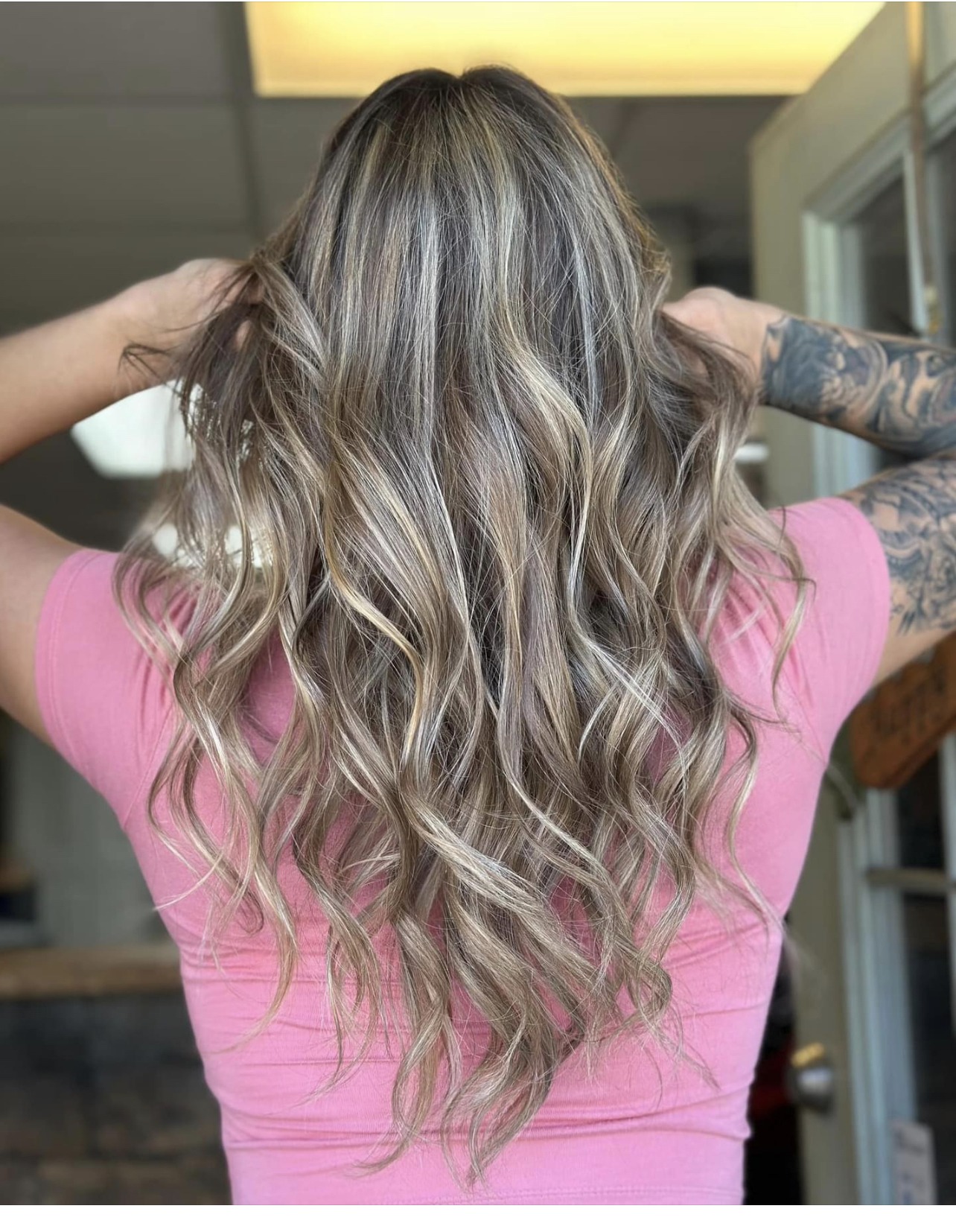
If you want a straight answer for your specific hair, ask during any service at One-13 Salon. Your stylist can see in one appointment what takes weeks of trial and error to guess at home.
If you wear your hair in a style that takes real time to set, like a careful blowout or defined curls, protecting the style overnight often stretches the wash interval more honestly than any product. A loose high bun, a silk or satin pillowcase, and keeping hands out of the hair during the day all reduce the oil transfer and friction that make day-three hair look tired. That is not scalp training. It is simply removing the things that were making clean hair look dirty ahead of schedule.
Common questions
How do I know if I am washing too much?
Lengths that feel dry and brittle while the scalp is comfortable are the classic sign. So is color fading unusually fast. Try extending by a day and moisturizing the ends before changing anything else.
How do I know if I am not washing enough?
Itching, flaking, a coated feeling at the roots, and odor at the scalp all point that way. A clarifying wash followed by a slightly shorter interval usually settles it within two weeks.
Does exercise mean I have to shampoo daily?
Not necessarily. Sweat is mostly water and salt, and a thorough water rinse handles light workouts. Save shampoo for when the scalp actually feels oily or gritty, and use dry shampoo sparingly between.
← All guides from One-13 Salon← Back to One-13 Salon