Your red was perfect two weeks ago. Now, in the Locust grocery store light, it looks tired: the richness is gone, the ends are lighter than the roots, and there is an orange cast that was not in the plan. Red fading is the most common color complaint in any salon, and it follows a troubleshooting path, because several different problems produce that same washed-out look.
Work through the likely causes in order before buying products or booking a fix. Most fading reds are a routine problem, not a formula problem, and routine problems can be corrected at home starting with the next wash.
First, understand what you are fighting
Red pigment molecules are larger than brown or black ones, so they sit shallower in the hair shaft and rinse out more easily. Ultraviolet light breaks them down between washes as well. Every red is on a countdown from the day it is applied; the goal of troubleshooting is to find what is speeding your countdown up and slow that specific thing down.
Porous hair counts down faster. If your hair was lightened before going red, or is dry and coarse by nature, expect faster fade and plan maintenance around that reality rather than around the schedule printed on a box.
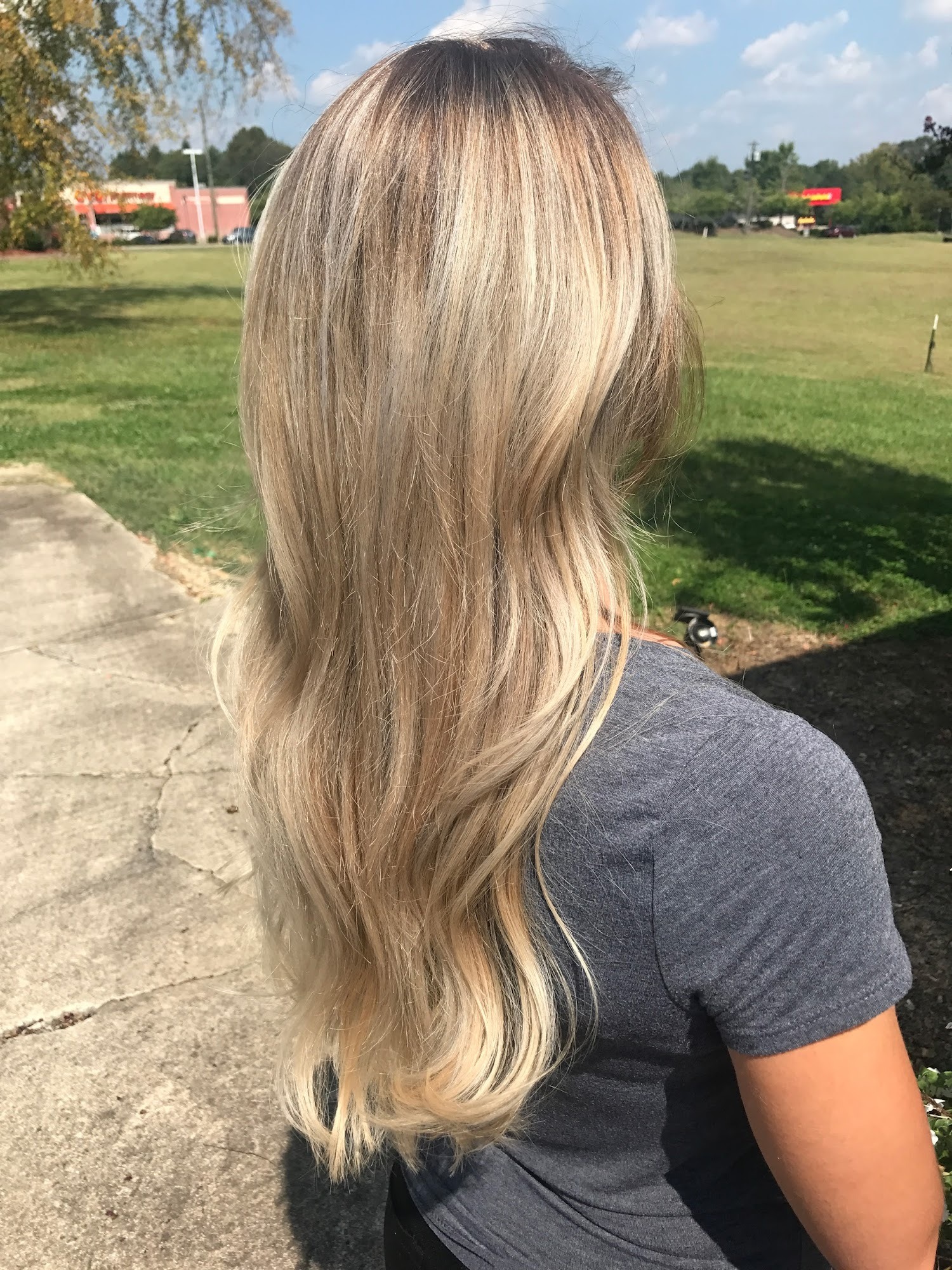
Troubleshoot by symptom
- Color rinses out visibly in the shower. Your wash is too hot or too harsh. Drop the water to lukewarm and switch to a sulfate-free shampoo made for colored hair, and watch whether the rinse water runs clearer within two weeks.
- The ends fade far faster than the roots. The ends are older and more porous, so they release pigment first. Add a color-depositing conditioner matched to your shade, concentrated on the lengths, once a week.
- The color dulls but does not lighten. Suspect buildup rather than true fading. Mineral deposits and product coating mute red. One clarifying wash, followed by deep conditioning, often brings the richness back without any new color.
- Fading sped up suddenly in summer. Sun and swimming are the usual cause. Wet hair with clean water before swimming, rinse after, and cover hair or use a UV-protective product during long outdoor days in Locust.
- One side fades faster than the other. Check your habits: the side you sleep on, the side the car window sun hits, or the side you heat-style first and hottest. Small asymmetries in routine make asymmetric color.
- Nothing at home is restoring it. The pigment is genuinely spent. Book a gloss or toner refresh, which re-deposits color and shine in a short appointment and resets the clock without a full color service.
Habits that quietly shorten red's life
Daily washing is the biggest one. Every wash costs some red regardless of product, so stretching to every second or third day, with dry shampoo at the roots between, is the single highest-value change most people can make. Heat styling without protectant is second: high tool temperatures break down pigment and roughen the surface so more color escapes at the next wash.
Also check your water. Hard water minerals coat the hair and make red look rusty and dull between washes, and they interfere with how evenly the next color service takes. If your home water is hard, a clarifying rhythm matters more for you than for most red wearers.
At One-13 Salon, the realistic promise for red is maintenance, not permanence. Identify which cause is yours, fix that one first, and the color that faded in two weeks often lasts twice as long on the next round.
Keep expectations in the right order when you book the refresh. A gloss restores tone and shine; it does not rebuild the hair's condition, and it will fade quickly again on hair that is very porous or washed daily in hot water. Fix the routine first or alongside the appointment, and each refresh lasts noticeably longer than the last. Stylists can see this pattern clearly across a client's history: the reds that hold are attached to routines, not to any single product or formula.
Common questions
Why does red turn orange or brassy as it fades?
As the red pigment washes out, the warm underlying tones in the hair show through, and those tones are orange and yellow. It is the base being revealed, not new color appearing.
Can I make red permanent with better products?
No product makes red permanent; the molecule size problem is built into the color itself. Good products and habits stretch the interval between refreshes, which is the achievable goal.
How does a gloss refresh differ from a full color appointment?
A gloss deposits tone and shine on the surface without the full processing of a color service, so it is quicker and gentler. It restores faded red well but does not cover regrowth the way a full appointment does.
← All guides from One-13 Salon← Back to One-13 Salon